
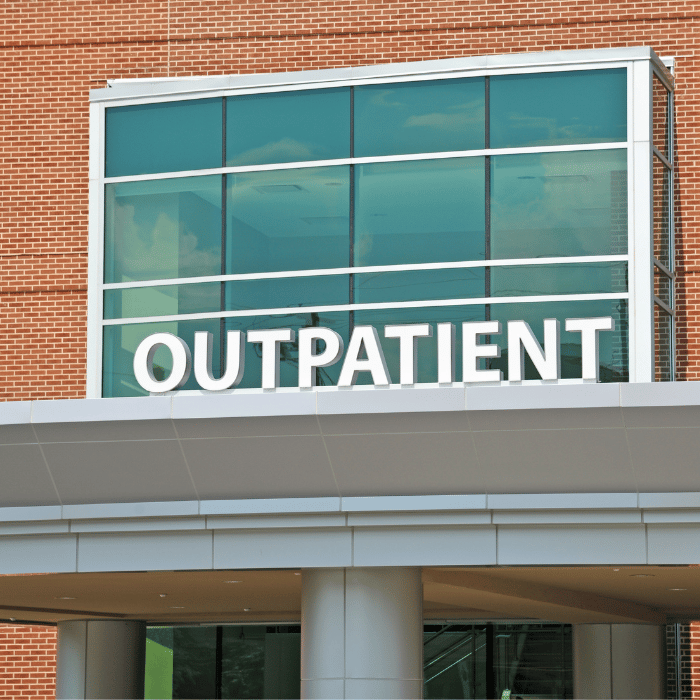
If you’ve had a medical procedure in the past – or helped a family member through one – you might automatically picture a hospital stay as part of the experience. But today, more procedures are being performed at outpatient clinics and surgical centres, with patients heading home the very same day.
That shift has also made planning ahead more important. When same-day discharge is expected, patients may need to arrange everything from recovery at home to having a responsible adult available to accompany them after their procedure. If that person isn’t a family member or friend, don’t worry! There are options for outpatient procdure transportation.
So why are so many procedures moving away from traditional hospital stays? There are several reasons.
Advances in Medical Technology
One of the biggest factors is simply how much medicine has changed. Advances in surgical techniques, anesthesia and medical technology have made many procedures less invasive than they once were. Smaller incisions and improved techniques can mean shorter procedures and, in appropriate cases, less time needed in a hospital setting afterward.
Procedures that may once have involved an overnight hospital stay can now sometimes be completed safely on an outpatient basis.
Specialized Clinics Can Focus on Specific Procedures
Unlike large hospitals that handle everything from emergencies to complex surgeries, outpatient clinics can be designed around particular types of procedures. Some specialize in areas such as plastic surgery, ophthalmology, dental surgery, orthopaedics or other scheduled procedures.
This more focused environment can allow clinics to streamline everything from admission to discharge around the types of patients and procedures they see every day.
Patients Can Recover at Home
For many people, there’s also something appealing about recovering in their own space. Instead of spending the night in an unfamiliar hospital environment, eligible patients can return home to their own bed, their own bathroom and the comforts they’re used to.
Of course, going home sooner doesn’t necessarily mean you’re immediately back to normal. Depending on the procedure, the first several hours after discharge may still involve fatigue, grogginess, discomfort or limited mobility.
Outpatient Care Can Free Up Hospital Resources
Hospitals have a lot competing for their resources, including emergency care, acute illness and patients who genuinely require inpatient monitoring. When appropriate procedures can be performed safely in an outpatient setting, hospital beds and resources can remain available for patients who need a higher level of care.
It’s one reason outpatient care has become an increasingly important part of the healthcare system.
Same-Day Discharge Still Requires Planning
One thing that hasn’t disappeared with the move toward outpatient procedures is the need to plan for what happens afterward.
Depending on the procedure and the type of sedation or anesthesia used, in the majority of cases, you will be required to have a responsible adult accompany you home. They won’t allow you to just call a Taxi or Uber to take by yourself. And that’s a key detail to sort out before the day of your procedure.
Family and friends aren’t always available during weekday working hours, and not everyone has someone nearby who can drop everything to spend part of the day at a surgical centre.
Outpatient Doesn’t Mean Unsupported
Being able to have a procedure and return home the same day can make the entire experience simpler – but only when the details surrounding it have been planned too.
If you’re booking an upcoming outpatient procedure, ask the clinic about its discharge requirements well in advance. Knowing whether you’ll need someone to accompany you home gives you time to make arrangements instead of scrambling once your procedure date gets closer.
Need outpatient procedure transportation in Vancouver?
Miss Happy Helper provides surgery pickup and medical escort services for patients who don’t have a family member or friend available. Trina can meet you at the hospital or clinic, be your designated discharge contact, accompany you home via Uber and make sure you get safely inside. She can also provide help for those crucial first 24 hours… and also in the days and weeks ahead.